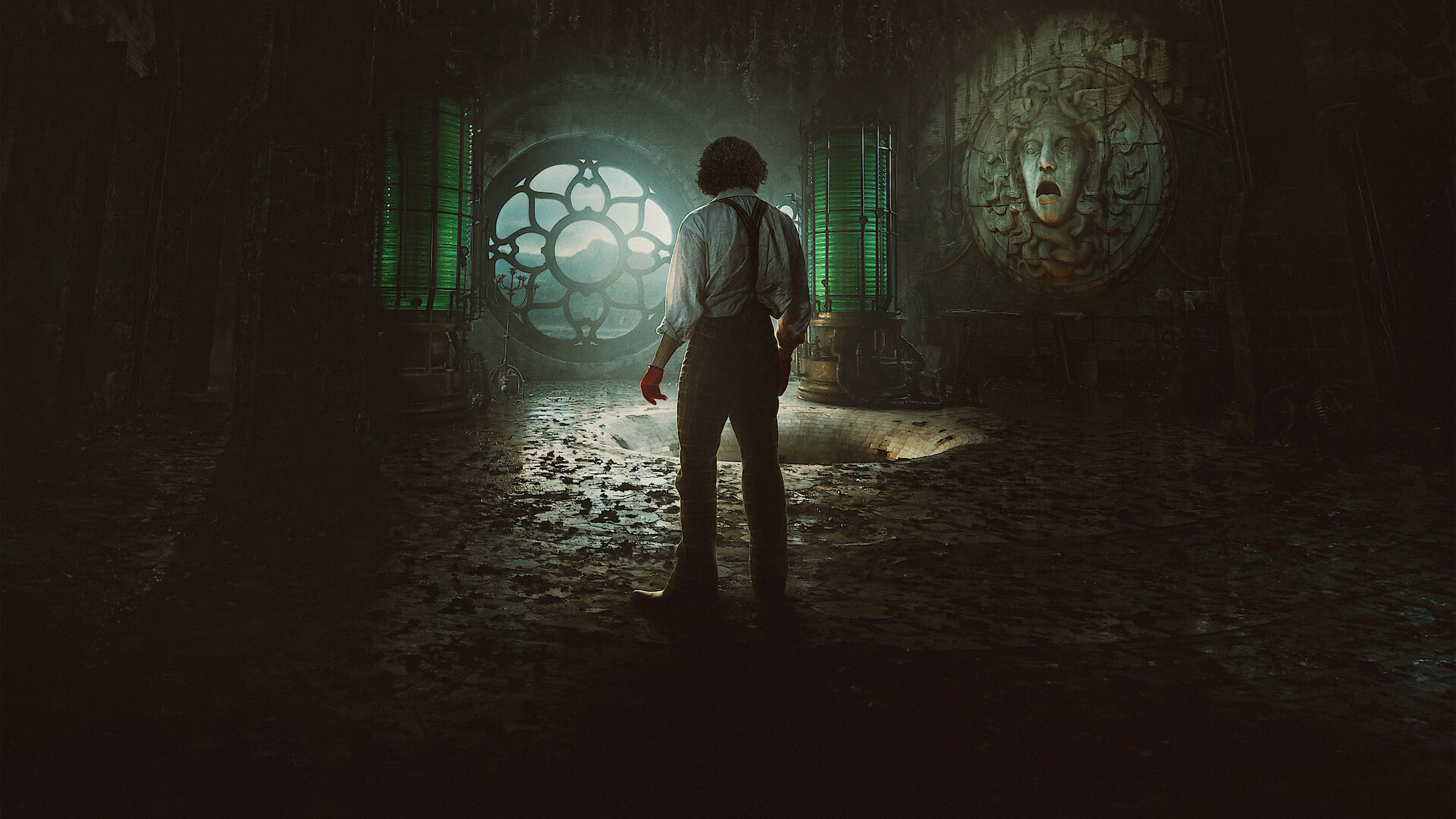











Dracula (2025) presents a hauntingly beautiful take on the classic tale, weaving romance into the fabric of its narrative in a way that feels both fresh and poignant. The film’s exploration of love, particularly through the character of Dracula and his deep, melancholic longing for Elizabeta, sets a powerful emotional tone. Each time Dracula articulates his love, it resonates with a sense of loss that is both palpable and beautifully portrayed by the lead actor.
While the film excels in many areas, it does stumble occasionally. A dance sequence, for example, feels overly theatrical, pulling viewers out of the intimate atmosphere that otherwise dominates the film. Additionally, some of the more traditional vampire elements, like the neck bites, may come across as less convincing compared to the nuanced emotions displayed by the characters. Given the wealth of vampire lore in cinema, these moments feel somewhat behind the times.
However, the strength of the performances cannot be overstated. The cast, both leads and supporting, deliver their roles with a conviction that draws viewers in. The dialogue is particularly noteworthy, with moments of powerful and evocative language that linger in the mind long after the credits roll. The cinematography and production design also contribute to the film’s atmospheric quality, enhancing the overall experience.
This film may not compel everyone to rush to the theater, but it stands as a worthy addition to the Dracula canon and is a solid choice for those who appreciate romance intertwined with gothic elements. It successfully redefines the narrative while paying homage to its roots. If you’re in the mood for something that melds beautiful storytelling with an exploration of love and loss, this film is worth your time.